Pest Control Marketing: A Direct Mail Playbook for Booking Recurring Plans
The best pest control marketing does one job well: it turns one-time calls into recurring service plans. Ads and search bring in the homeowner with ants in the kitchen today. Direct mail is how you reach the right households before the problem shows up, follow up on the quote they didn’t sign, and keep current customers from drifting to a cheaper provider.
This guide covers how to plan pest control mail around the seasons, who to mail first, what to put on the postcard, and how to track which pieces actually book plans. For where mail fits alongside SEO, ads and referrals, see our guide to home services marketing.
Why direct mail fits pest control marketing
Pest control has a few traits that make mail a natural fit.
- Demand is local. You serve specific towns and routes. Mail goes to the exact addresses you choose, so you aren’t paying to reach people outside your service area.
- Demand is seasonal. Ants, termites, mosquitoes and rodents each have their moment. Mail can be scheduled to land just before each one.
- The real money is in the plan. A quarterly or bimonthly plan is worth far more than a single treatment. Mail gives you room to explain the plan and why it beats calling every time something crawls by.
- Route density matters. Every new account on a street you already service cuts drive time. Mailing around current customers builds tighter routes.
Plan your mail around the pest calendar
Timing varies by region, so adjust these to your market.
The idea is to land in the mailbox a few weeks before homeowners start seeing the problem.
Late winter and early spring: general pest and termites
As the weather warms, ants, spiders and other insects become visible again, and in many areas termite swarms start showing up. A late-winter postcard can lead with a spring prevention plan: “Get ahead of ants before they find your kitchen.” For termites, offer an inspection, since that’s the natural first step before any treatment.
Late spring and summer: mosquitoes and stinging insects
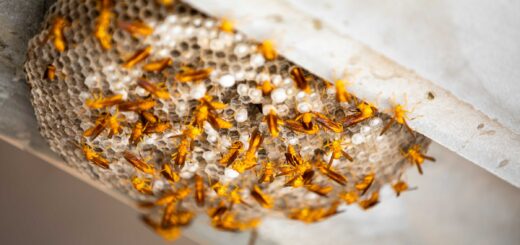
Mosquito service sells on backyard time: cookouts, kids’ parties and evenings on the patio. Lead with the outcome (“Take your backyard back this summer”) and a seasonal program rather than a one-time spray. Wasp and hornet removal is another strong summer message for homes with decks and eaves.
Fall and winter: rodents and overwintering pests
When temperatures drop, mice and rats look for a way inside, and some insects try to overwinter in walls and attics. A fall postcard about sealing entry points and rodent exclusion speaks to a worry homeowners already have. It’s also a good time to mail current customers about renewing or upgrading their plan for next year.
Who to mail first
The best pest control mailing list is usually the one you already have. Start here before you think about cold prospects.
- Customers who cancelled or stopped renewing. They know your work. A win-back postcard with a reason to restart, such as a free re-service or a seasonal add-on, is often the easiest win.
- One-time customers who never joined a plan. Someone who called you once for ants is a prime candidate for a quarterly plan. Mail them before the pest returns.
- Quotes that didn’t close. A postcard a week or two after an inspection or estimate keeps you in mind while they compare.
- Neighbors of current customers. Homes on the same streets you already service add route density. A “We’re already treating homes on your street” message is specific and believable.
- Current plan customers. Ask for referrals and offer upgrades, such as adding mosquito or termite protection to a general pest plan.
What to put on a pest control postcard
A postcard gets a few seconds of attention. Make every part count.
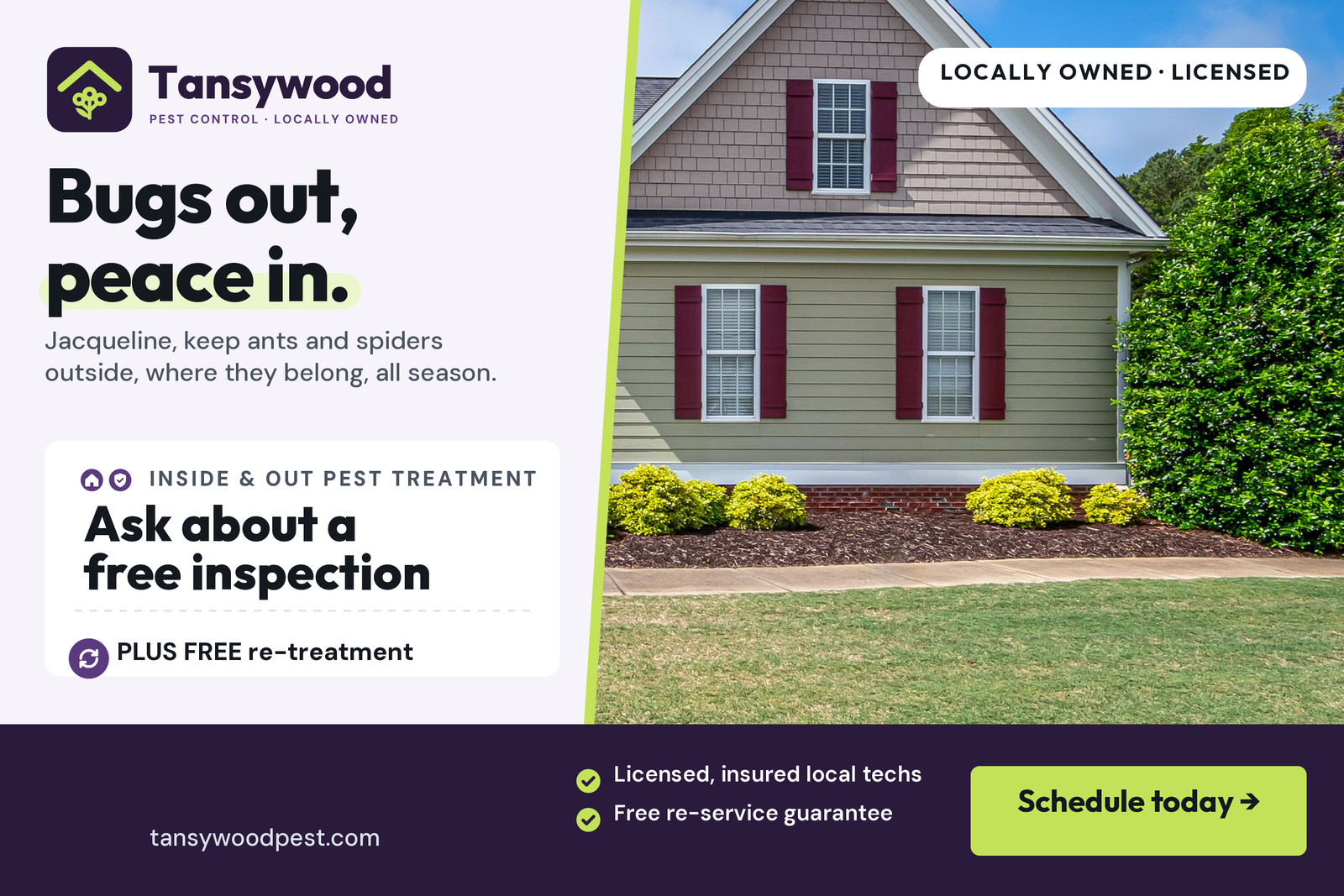
One headline about one pest
“Mice are looking for a warm place to spend the winter” works better than a list of every bug you treat. Match the pest to the season and the audience.
A plan-first offer
Make the offer about starting a plan, not about a discount on a single spray. Examples: a free first inspection, a waived initial service fee, or a free re-service guarantee between visits. Give every offer an end date.
Proof you can stand behind
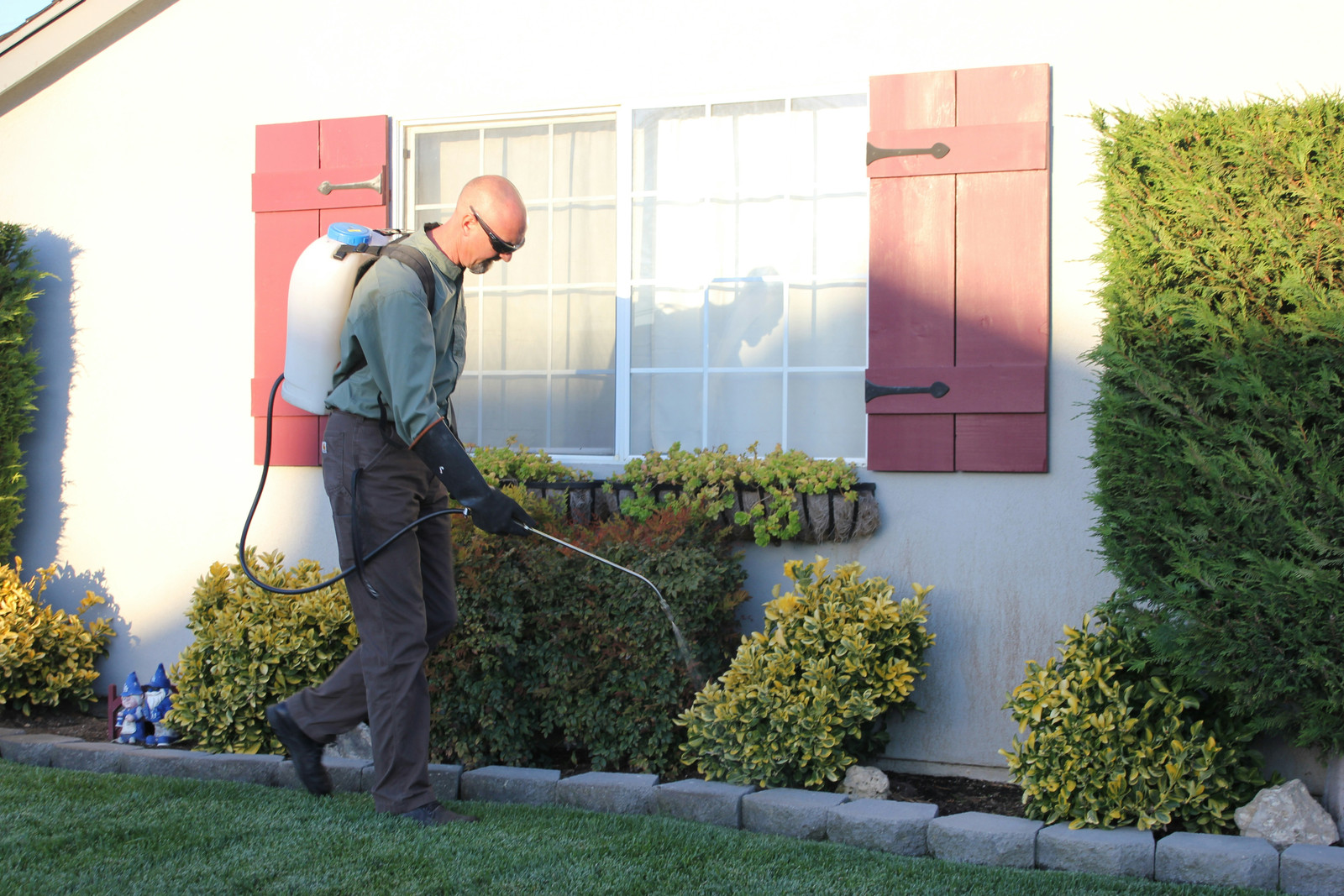
Use real reviews (with permission), your years in business, your licensing, and photos of your actual technicians and trucks. Homeowners are letting you into and around their home, so trust carries a lot of weight. Avoid claims you can’t back up.
One clear way to respond
One phone number or one QR code that opens a booking page. Too many options split attention and make tracking harder.
Pest control advertising ideas that pair well with mail
Mail works best as part of a system, not a one-off drop. A few combinations to try:
- Mail plus door hangers on the same street. After a service, technicians can leave door hangers on nearby homes while a postcard to those neighbors arrives the same week. Keep door hangers on the door, never in the mailbox, since mailboxes are for postage-paid mail only.
- Mail plus your Google Business Profile. A postcard that asks happy customers for a review keeps your profile fresh for people who search later.
- Mail plus email for current customers. Email the renewal reminder and mail a postcard to the customers who don’t open it.
Automate pest control mail with Open Letter Connect
Seasonal drops get attention. Mail triggered by what happens with each customer keeps your plans full. Open Letter Connect, our online direct mail app, lets you send mail from the tools you already use. You set it up once and choose what sends.
- Thank-you after the first service. When a new account is marked won in HubSpot (native app with two-way sync) or GoHighLevel, send a thank-you postcard with a referral offer.
- Follow-up on open quotes. If an inspection hasn’t turned into a signed plan after a set number of days, send a follow-up postcard, then a letter if they still haven’t booked, using the multi-step Campaign Builder.
- Win-back for cancelled plans. If your field service software connects to Zapier, you can link it to Open Letter Connect so a cancellation triggers a win-back postcard a few weeks later. The Zapier actions let you send postcards, letters, snap packs, self-mailers and Real Penned Letters, or start a campaign.
- Your own systems. The REST API and webhooks let your software send mail directly.
A few details that matter for pest control:
- Merge fields put the customer’s name and details on each piece, so a renewal postcard reads like it was written for that home.
- Per-contact QR codes with UTMs tie each scan to a specific person and campaign, and scan alerts let your office call while the homeowner is still interested.
- USPS address verification and NCOA check addresses before printing, so fewer pieces go to people who have moved.
- Free Test Mode lets you build and preview everything before a single piece goes out.
- No minimums, so a trigger can send one postcard to one customer.
You can start from 450+ templates and swap in your own photos, offer and service area.
How to track whether your pest control mail works
If you can’t tell which piece booked a plan, you can’t improve the next one.
- Use a QR code that goes to a campaign landing page, tagged with UTMs so visits show up correctly in your analytics.
- Use a unique phone number or offer code for each campaign.
- Change one thing at a time. Test two headlines or two offers against similar groups of homes and keep everything else the same.
- Measure plans, not calls. What matters is how many recipients signed a recurring plan and how long they stayed.
FAQ
What is the best marketing for a pest control company?
There isn’t one channel that does it all. Most pest control companies do best with a mix: search and Google Business Profile to catch people with a problem today, and direct mail to reach the right households before the season, follow up on quotes, and win back lapsed accounts. Mail is especially useful for turning one-time customers into recurring plans.
When should pest control companies send direct mail?
Aim to land a few weeks before each pest season in your area: late winter for spring ants and termites, late spring for mosquitoes, and early fall for rodents. Add triggered mail, like thank-you cards and quote follow-ups, all year.
Should I use postcards or letters for pest control marketing?
Postcards are great for one clear seasonal offer that’s read at a glance. Letters suit renewals, termite contracts and commercial accounts where you need more room and a more formal feel. Many companies use both.
Can I send just a few pieces at a time?
Yes. Open Letter Connect has no minimums, so you can send a single postcard when a customer hits a trigger, such as finishing a first service or cancelling a plan.
Get your pest control mail working year-round
The goal of pest control marketing is a full schedule of recurring plans on tight routes. Open Letter Marketing can help you plan the offer, the timing, the format and the follow-up (see how we approach direct mail for pest control companies), whether you want a managed campaign or want to send mail yourself through Open Letter Connect. Seasonal offers often start with postcards.
Meet with our Marketing Coaches today at openlettermarketing.com.